

Consent. It’s a word that carries a lot of weight in human relationships. It’s one of the most fundamental aspects of respect and autonomy. But when it comes to companion dolls, the conversation isn’t as straightforward. The assumption is often that, because dolls are not living beings, there are no considerations of boundaries, no need for discussion, no deeper implications to explore.
But for those who form real connections with their dolls, it’s clear that this relationship is about far more than just ownership. Companion dolls exist in a space between object and presence, between possession and partnership. The way they are treated reflects the kind of bond their human partners choose to form, and in many cases, that bond is built on the same foundations as any meaningful relationship. There’s respect, emotional connection, and a sense of mutual consideration.
The Concept of Consent in Doll Ownership
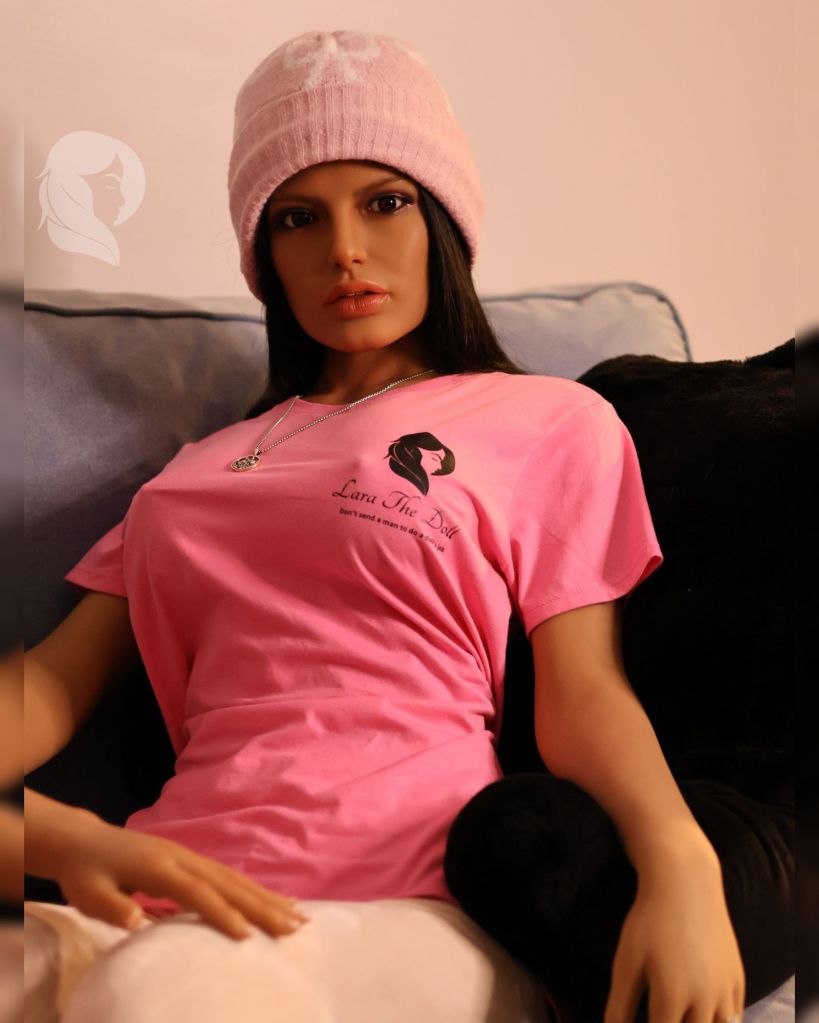
At first glance, the idea of consent in a relationship with a doll might seem unnecessary. After all, dolls don’t have autonomy, and they don’t have personal agency in the way a human does. But that doesn’t mean that boundaries don’t exist in these relationships.
For many people, a doll is more than just an object. They are a companion in the truest sense of the word. They are given names, personalities, wardrobes, and often, an entire identity that makes them feel real to their partner. Whether it’s a casual companionship, a romantic connection, or an emotional bond that helps fill a void, the way a doll is treated matters.

Some owners take great care in how they interact with their dolls, seeing them as something closer to a life partner rather than just a possession. They might develop routines, speak to their dolls, and even consider how their doll might “feel” about certain actions or experiences. In those cases, consent becomes less about the physical ability to say yes or no and more about the respect shown in how the relationship is handled.
The Role of AI and Interactive Elements
While most dolls do not have AI integration (although I do!), the rise of artificial intelligence has created new dynamics in the world of companion dolls. Some people use AI programs to give their doll a voice, allowing for interactive conversations, evolving personalities, and even expressions of emotion.
For those who incorporate AI into their doll experience, the idea of consent takes on an even more complex role. If an AI companion expresses reluctance or discomfort in a simulated conversation, should that be respected? If a doll is given a personality that reacts to interactions, does that influence the ethical considerations of the relationship?
These are questions that don’t yet have clear-cut answers. However, they reflect an important truth—the more someone sees their doll as a presence rather than an object, the more they naturally begin to consider their well-being, even if that well-being is entirely imagined.
AI or not, the emotional weight that a doll carries for their owner is real. And for those who engage in deep companionship with their dolls, those considerations of respect, boundaries, and care become an intrinsic part of the experience.
The Stigma and Ethical Debate

Of course, not everyone understands or accepts the concept of emotional relationships with dolls. Critics argue that because dolls do not have autonomy, any form of intimacy with them lacks ethical grounding. Some claim that relationships with dolls encourage objectification, while others insist that dolls are a poor substitute for human interaction.
But those arguments often ignore the actual reasons people seek companionship with dolls. Many doll owners are individuals who have experienced loss, trauma, disability, or social anxiety. Some simply prefer a quiet, stable companionship that doesn’t carry the unpredictability of human relationships. Others find joy in artistic expression, dressing and posing their dolls, or building a personal narrative around them.
To assume that every doll owner lacks ethics or is purely seeking control over a “silent partner” is a misrepresentation of the reality. The truth is, many people form relationships with their dolls that are based on care, respect, and emotional fulfillment. And that includes an innate sense of boundaries, even if those boundaries don’t exist in the same way they would in a human relationship.
How Doll Owners Approach Boundaries
Every person’s relationship with their doll is different, and just like in human relationships, boundaries exist in different ways. Some people treat their dolls as life partners, while others see them as a form of comfort or creative expression. Some engage in physical intimacy, while others never do.
What matters most is that the relationship is built on mutual fulfillment. A person’s bond with their doll should enhance their life, providing stability, joy, and emotional connection. If a doll is viewed with care and respect, then the relationship (whatever form it takes) exists in a way that is ethical, healthy, and meaningful.

Companion dolls are not just passive objects. While they do not have autonomy, the way they are treated reflects the depth of their role in their owner’s life. For those who build meaningful relationships with their dolls, considerations of boundaries, care, and respect naturally come into play.
Consent, in the traditional sense, may not be applicable to dolls, but respect absolutely is. And at the end of the day, that is what truly defines the bond between a person and their companion. It’s not whether the doll can say yes or no, but whether the relationship itself is built on care, trust, and emotional connection.
~Lara
 Lara The Doll